Obesity is one of those problems which you can easily find in people nowadays, even though there are more than one billion people suffering from the same. The conventional solutions of dieting and exercising often lead to dissatisfaction with results, which prompts millions to go searching for better alternatives to the problem. This is where Semaglutide for weight loss has come to the forefront.
Semaglutide has gained attention all around the world as a GLP-1 weight loss therapy for diabetes. This is because Semaglutide has very positive results from clinical trials. The FDA (U.S. Food and Drug Administration) approved the drug for the management of chronic weight problems under the trademark name Wegovy, and since then, the drug has been seen as one of the most modern and advanced therapies for obesity.
In this case, this article will explain the medicine’s working, benefits, and side effects, as well as a comparison with next-generation medicine. The other comparative medicines are Tirzepatide and Retatrutide.
What Is Semaglutide?
Semaglutide is one of the ideal herbs and a GLP-1 receptor agonist that has exact activity of the glucagon-like peptide-1. Initially, people know this as the subcutaneous injection of Semaglutide in patients with type 2 diabetes, in which it was found to be very effective in controlling the amount of insulin secreted and glycemic control in general. Nevertheless, scientists quickly found out that its action mechanism was far beyond glucose control.

Semaglutide was shown to have massive potential in dealing with obesity and metabolic health by slowing gastric emptying, decreasing appetite, and modulating hormones controlling hunger. This unexpected advantage made it more of a diabetes treatment and a weight loss and long-term lifestyle management tool, changing how clinicians treat the two conditions.
It also promotes insulin secretion, suppresses appetite, and delays gastric emptying, which in turn transforms Semaglutide into an anti-obesity agent. It is marketed as:
- Ozempic – used for diabetes control mainly
- Wegovy – Approved by the FDA for the treatment of obesity
- Rybelsus – also available as a tablet
The development of Semaglutide for diabetes from being an anti-diabetic drug to an anti-obesity drug is a sign of progress in metabolic health.
Want to learn about the peptide research like Tirzepatide, Retatrutide, and Semaglutide? Quality life sciences research tools are available at Adaptog Research.
How Does Semaglutide Work for Weight Loss?
The semaglutide mechanism is simple but very powerful. In contrast to the standard anti obesity drugs, which act by increasing metabolism, Semaglutide acts directly on the brain and the tummy by means of the GLP-1 receptor agonist weight loss pathway.
The major ways semaglutide works for weight loss are:
- Slowed gastric emptying: Less food in the stomach creates a feeling of fullness for a longer time, which makes one eat less.
- Reduced appetite: There is a brain appetite control which reduces the amount of food one wishes to eat.
- Improves insulin function: Helps control blood sugar levels, which helps stabilize energy and lower the chance of overeating.
- Influences hunger hormones: GLP-1 pathways work with the brain’s reward pathways that correlate with eating.
Clinical evidence supports such an impact. In STEP trials, patients lost weight compared to the changes in their lifestyle, alongside gaining 10-15% of their body weight. This weight reduction tends to be on the same scale as the outcomes of bariatric surgery, yet is achieved without any of the surgical procedures.
Benefits of Semaglutide for Weight Loss
Semaglutide benefits include much more than just losing weight. Clinical studies have repeatedly demonstrated that GLP-1 weight loss benefits extend to multiple health domains.
- Patients on alternative medications struggle to achieve long-term weight loss, but with Semaglutide, they are able to maintain weight loss.
- Improved metabolic phase markers of health, such as blood pressure, insulin resistance, and cholesterol.
- Diabetes prevention: Particularly successful for those individuals on the borderline of diabetes.
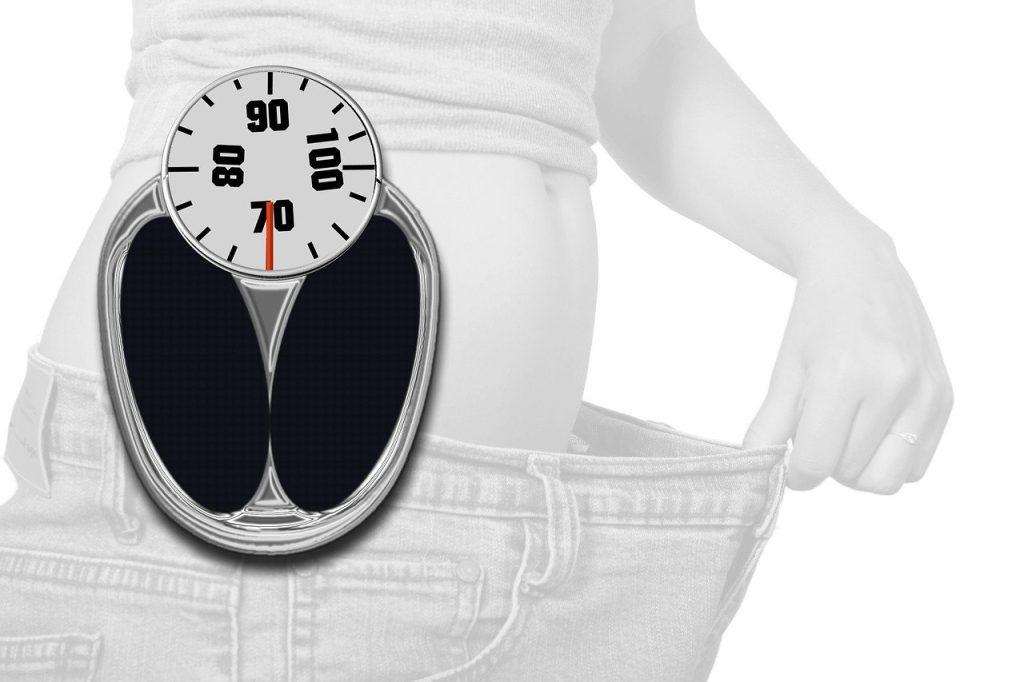
From the research, those on Semaglutide and lifestyle interventions neared three times the weight loss of those with lifestyle changes alone. It is evident from the research that semaglutide weight loss is beneficial in managing the risk of obesity and obesity related conditions.
Possible Side Effects of Semaglutide
As with anything, there are risks associated with Semaglutide, and the side effects need to be paid attention to. Most are relatively manageable, but there are still side effects.
Most common side effects:
- Nausea
- Vomiting
- Diarrhea
- Constipation
Serious, but rare side effects:
- Pancreatitis
- Issues with the Gallbladder
- Possible thyroid C-cell tumours stemming from preclinical animal studies (not yet confirmed in Humans)
Who should avoid it?
- Women who are pregnant or Nursing
- A personal history of some cancers
- Patients suffering from more serious gastrointestinal illnesses
Semaglutide remains relatively safe and is tolerated quite well by most, especially with appropriate medical supervision. A health professional should be consulted before any treatment is initiated.
Who Should Consider Semaglutide?
Obesity is not just a cosmetic issue but a complicated health disorder associated with diabetes, heart disease, and other severe complications. This is why the effective treatments necessitate medical oversight and support of evidence. The intention of using Semaglutide isn’t ‘just to lose weight.’ Rather, Semaglutide for obesity is for people who fall in the following categories:
- Obese adults having a BMI ≥30
- Adults having a BMI ≥27 but with some obesity-associated comorbidities, for example, diabetes, high blood pressure, heart issues, etc.
- Obese individuals who have tried adopting more active and healthier lifestyles but have not succeeded.

Knowing semaglutide eligibility means it can be prescribed with the understanding that it can be most beneficial without too many downsides. For people with diabetes, the dosages are lower, and for managing obesity, the dosages are higher.
Alternatives and Comparisons
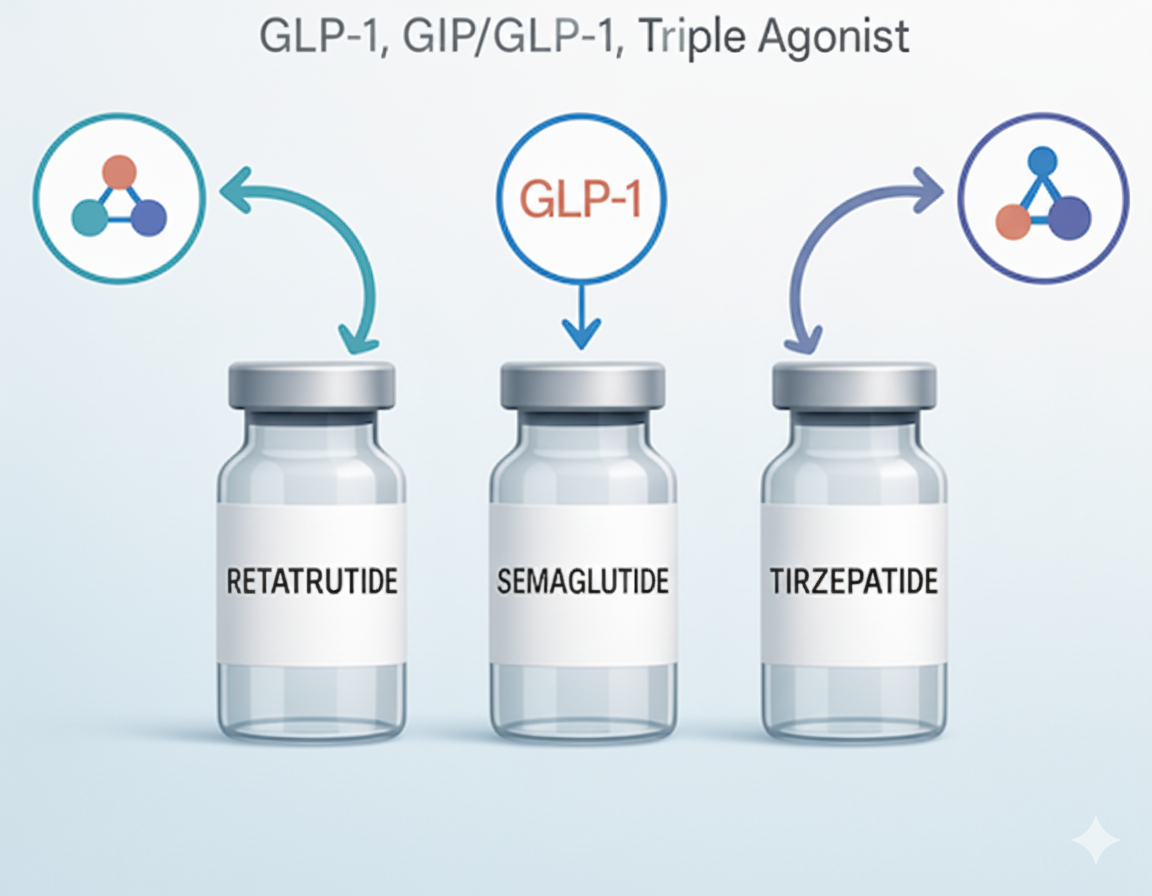
Although Semaglutide is a disruptive technology, it is not the sole competitor. A comparison between Semaglutide vs tirzepatide and Semaglutide vs retatrutide points to the future of GLP-1 therapies.
- Tirzepatide: A dual GIP/GLP-1 agonist, with even improved weight loss results in the trial. It can assist the patients in realizing a 20 per cent weight loss.
- Retatrutide: A new triple agonist (GIP, GLP-1 and glucagon). Preliminary results indicate that it may be better than Semaglutide and Tirzepatide.
- Semaglutide dosages: Broadly researched, approved, and proven efficacy
- Semaglutide flaws: It is injected, and it may cause gastrointestinal side effects.
| Drug | Mechanism | Weight Loss Potential | FDA Status |
| Semaglutide | GLP-1 receptor agonist | 10–15% | Approved (obesity) |
| Tirzepatide | GIP + GLP-1 dual agonist | Up to 20% | Approved (diabetes, obesity expected) |
| Retatrutide | Triple agonist (GIP, GLP-1, glucagon) | 20%+ (early data) | In clinical trials |
At Adaptog, we specialize in advancing life sciences by providing access to Retatrutide, Semaglutide, and Tirzepatide research peptides. Explore our range today at Adaptog.
Practical Considerations
Prior to initiating Semaglutide treatment, the patients should have a clear indication of dosage, cost, and changes in lifestyle. The knowledge of how it is given, the financial factors that are taken into account, and the significance of diet and exercise are all guiding towards better results. Effective education of patients will enable them to commit to and deliver sustainable weight loss outcomes.
- Dosage: Administered as a subcutaneous injection once a week. Dosage is increased to minimize side effects.
- Cost: Dependent on the type of insurance, the brand (Ozempic/Wegovy), and the geographical location, costs may be substantially different. Affordability may be an issue for some.
- Lifestyle: You can see a visible difference in your appetite loss after using it, and with your better diet and exercise, you can speed up the process.
- Commitment: To achieve anything, commitment is a basic thing, and if you leave the treatment in between, you can face weight gain issues.
Being educated on the costs and the method of administering Semaglutide injections helps in ensuring that patients understand deeply the financial and personal investments they need to make
FAQs
Is Semaglutide FDA-approved for weight loss?
Under the name Wegovy, Semaglutide is working well to reduce weight.
How fast does Semaglutide work for weight loss?
Most people get results in 4-6 weeks, with major results in 3-6 months.
Can Semaglutide be used for weight loss without diabetes?
That’s right. It’s approved for obesity.
What are the long-term risks of Semaglutide?
With medical assistance, it’s possible that you will have minimal risks. The most notable concerns include gastrointestinal issues and rare pancreatitis.
Semaglutide vs Tirzepatide: Which is better for weight loss?
You can get major weight loss with Tirzepatide, but Semaglutide has approval for obesity.
How much weight can you lose with Semaglutide in 3 months?
Most people only lose 5-10% of body weight in just three months, which can vary depending on their lifestyle.
Conclusion
Semaglutide is a breakthrough in GLP-1 therapy for obesity. The clinical evidence, combined with the transformative weight loss result and Semaglutide accessibility, motivates patients struggling with weight loss to seek help. Nonetheless, the treatment should be accompanied by caution.
On the other hand, Tirzepatide and Retatrutide are the next exciting therapies for weight loss. Together, they make the future of treatment for obesity. Although Semaglutide has already changed the course of obesity treatment, the research still goes on to break the limits of possibilities. New drugs such as Tirzepatide and Retatrutide have even higher potential, which would provide patients with more choices and excellent results. It is on these innovations that a fast-changing future of obesity treatment is emphasized.
With Adaptog Life Sciences, stay at the forefront of obesity research with Semaglutide, Tirzepatide, and Retatrutide research.