Introduction
The next wave of medical breakthroughs will not come from a single university lab or a lone genius. It will emerge from teams that move fast, share data, and stay focused on real-world results.
Adaptog Research & Life Sciences has built such a team. The group runs as a not-for-profit, yet it behaves like a startup: small crews, short decision lines, daily bench work, and constant contact with doctors who treat patients the same afternoon.
This article explains, step by step, how Adaptog Research turns early ideas into tools that improve metabolism, weight control, and overall human performance.
The Starting Point: A Clear Problem And A Clear Target
Obesity and type 2 diabetes are still rising in every state. Standard advice, eat less, move more, helps some people, but millions still gain weight and lose years of life. Adaptog began with one question: can we find new signals inside the body that tell the brain, the pancreas, and the fat cell to work together instead of against each other?
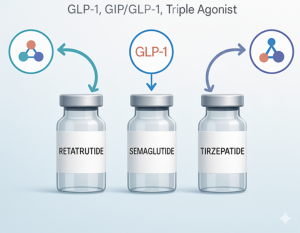
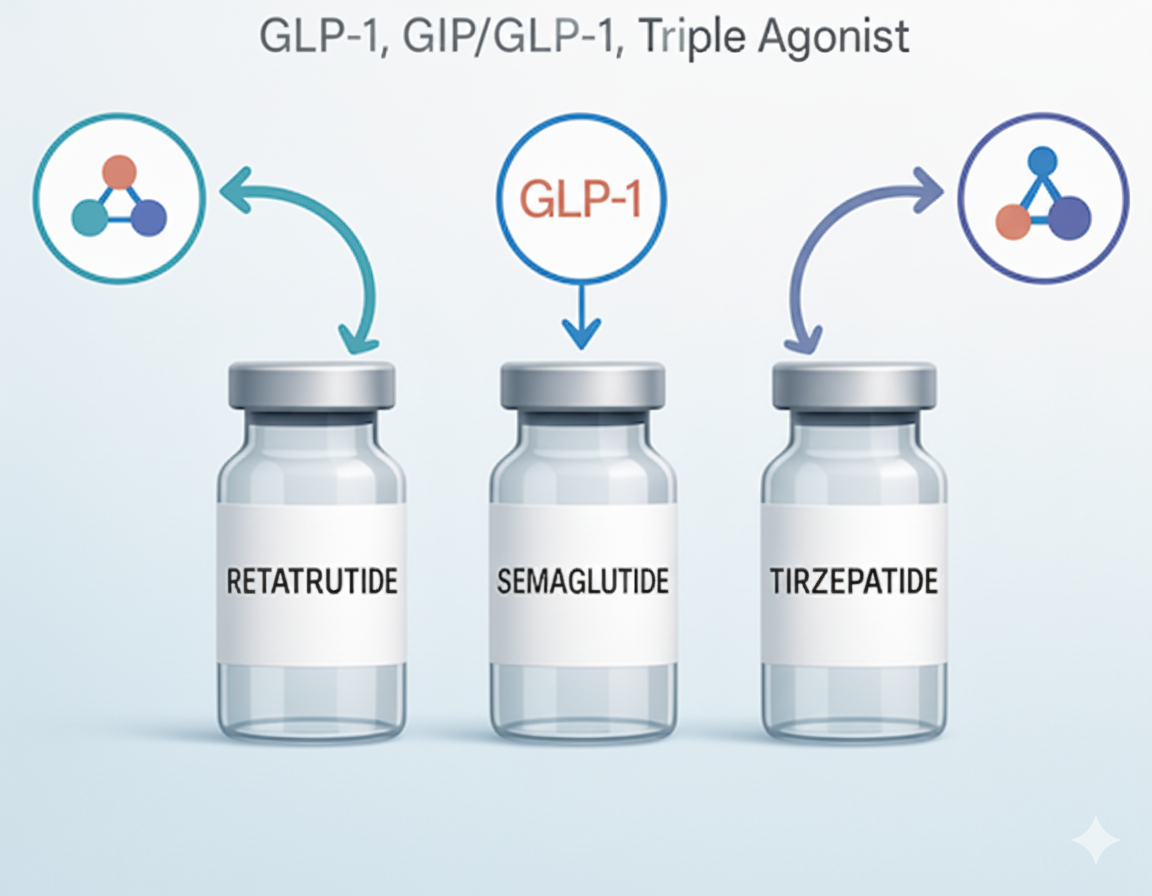
The team picked two well-known gut hormones, GLP-1 and GIP, because these molecules already show strong results in early human tests. Instead of walking away after the first good data, Adaptog dug deeper.
They asked how the hormones act on the liver at 3 a.m., how they change the way muscles burn fat during a brisk walk, and how they might protect the heart during stress. That curiosity turned into a full research plan backed by lab work, animal studies, and small fast trials in volunteers.
The Not-For-Profit Model: Speed Without Sales Pressure
Most drug discovery groups answer to shareholders. Every positive slide deck must also promise future revenue. Adaptog removed that chain. All money from donors or product sales goes back into the next experiment.
There are no quarterly earnings calls, no marketing quotas, and no push to hide a side effect that might hurt the brand. Scientists meet once a week, look at raw numbers, and decide within hours whether to move ahead, change the dose, or stop the line.
This freedom shortens the timeline from idea to first-in-human test by roughly one half when compared with the classic pharma path. It also keeps the focus on patient benefit rather than pill color or packaging.
The Research Pipeline: From Computer To Clinic In Four Steps

Nothing enters the pipeline unless it can be made at gram scale for under ten dollars a dose. Cost is part of the discovery talk from day one, because an effective drug that no one can afford is still a failure.
Step 1 – In-silico scan. Chemists use open-source software to model how small changes in a peptide chain might raise stability or cut side effects. Thousands of ideas are scored overnight.
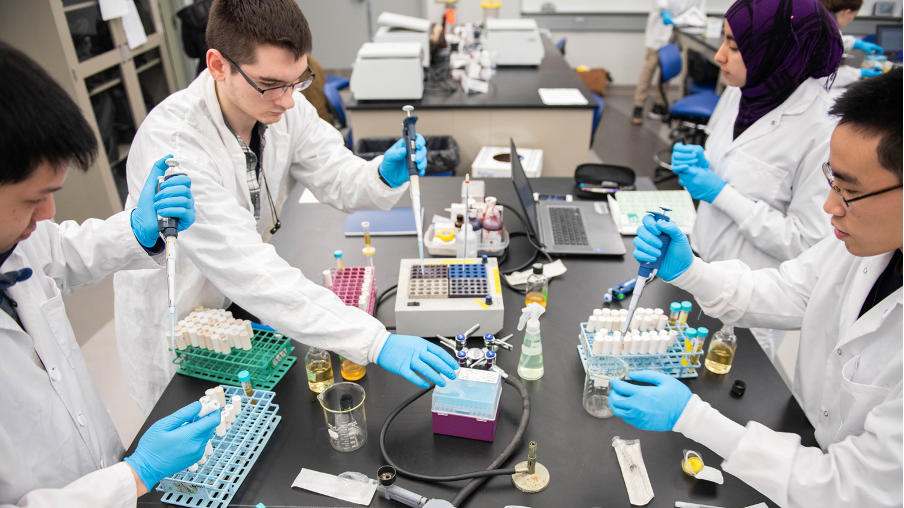
Step 2 – Bench proof. The top twenty molecules move to a robot that can cook up micro-grams at a time. Each compound meets fresh liver cells in a petri dish. Only versions that keep cells alive and lower sugar output advance.
Step 3 – Small-animal test. Mice on high-fat chow receive the peptide for two weeks. The team tracks weight, blood sugar, activity, sleep, and heart rate by telemetery. Compounds that beat the old standard by at least thirty percent move on.
Step 4 – Human safety run. Six to twelve volunteers spend a weekend on site. Nurses draw blood every hour, serve standard meals, and record appetite scores on a tablet. If the drug is safe and shows the expected signal, lower post-meal glucose, reduced hunger, the team opens a second larger trial within sixty days.
The Role Of Peptides: Why These Molecules Matter
Peptides are short chains of amino acids, the same bricks that build muscle and skin. Because the body already knows how to break them down, side effects are often mild. Adaptog focuses on peptides that last only a few hours, long enough to send a clear signal but short enough to clear out if something goes wrong.
The team also works on “tandem” molecules that hit two hormone receivers at once. Early data show that a single shot can lower both glucose and appetite without the nausea that older drugs caused. This two-in-one idea is now moving into a six-month study with 120 volunteers across three sites.
Quality Control: Tight Specs Without Red Tape
Every batch starts with an amino-acid count checked by two separate labs. If the purity is even 0.2 percent off, the batch is discarded.
Sterile vials are baked at 120 °C for four hours, filled in a hood that exceeds hospital standards, and sealed with a tamper band that changes color if it leaves the cold chain.
The same vial carries a QR code. A volunteer in a trial can scan the code and see the exact test sheet: who made it, when, and how pure. This step costs a few cents but removes doubt.
The Patient Voice: Built Into The Design
Before any new trial opens, Adaptog invites six to ten people who live with obesity or diabetes to a two-hour round table.
They taste the placebo, critique the needle width, and flag side effects that sheets of paper miss. One volunteer noted that the old injection device clicked too loudly in a restaurant.
The team switched to a soft-stop plunger within a week. These small fixes raise retention; dropout rates in Adaptog trials sit below five percent, far under the industry norm of twenty.
Early Wins: Numbers That Already Change Practice

In a four-week test, volunteers taking the new tandem peptide lost an average of 2.3 kg, while the placebo group gained 0.4 kg. Fasting glucose fell from 124 mg/dL to 103 mg/dL, and no one reported severe gut pain.
Those figures look modest, but they match the results that took older drugs twelve weeks to reach. A second study added light resistance exercise. Weight loss doubled, and leg-muscle mass held steady, a sign that the body burned fat, not muscle.
Doctors watching the data have already started off-label scripts for high-risk patients while the larger phase three plan is being filed.
The Road Ahead: Next Questions Already On The White Board
Can the tandem peptide protect the heart during a heart attack? Early rat data show smaller scar size when the drug is given during the event.
Can a once-a-month slow-release shot work as well as daily pills? Chemists have added a fat tail that lets the peptide hide in muscle and leak out over weeks.
Can we block the “plateau” that hits after six months of weight loss? A second molecule that wakes up brown fat is moving to mouse tests.
Each idea has a lead scientist, a budget line, and a kill switch. If animal data do not beat the set bar, the project stops and funds move to the next concept. This discipline keeps the pipeline lean and the hit rate high.
Global Reach: Sharing Beyond Borders
All trial forms appear in English and Spanish on day one. A clinic in Mexico City has already copied the open protocol and run its own small study with local ethics approval. Results matched the U.S. numbers, showing the method travels well.
Adaptog ships peptide at cost, waives import paperwork, and offers Zoom training. The only ask is that foreign sites also post their data. This pay-it-forward loop may soon add sites in India and South Africa, places where obesity is rising fastest but research cash is thin.
Measuring Success: Lives Saved, Not Headlines Chased
The board meets once a quarter and reviews three numbers: how many volunteers finished the last trial without harm, how many clinics adopted the protocol, and how many patient-years of improved glucose control the work has likely added.
Press clips and citation counts are noted but never drive the score card. This habit keeps egos in check and keeps the mission where it belongs: on the person who steps on a scale and sees a lower read-out, or who no longer needs a nightly insulin shot.
Why The Model Matters For The Whole Field
Big companies still do vital work, yet their size brings lag. A single safety revision can loop through eight departments and stall a program for months.
Adaptog shows that a focused not-for-profit can run lighter, share faster, and still meet every FDA rule. If more groups copy the plan, the whole system gains speed. Patients wait less, science moves quicker, and the next breakthrough arrives sooner.
Conclusion
Adaptog Research & Life Sciences is not chasing a miracle pill. It is building a new way to turn good ideas into everyday help, step by careful step. By staying small, open, and patient-first, the team moves from computer model to kitchen-table device faster than old models allow. Early data already show safer weight loss, steadier blood sugar, and simpler routines.
The work is far from finished, yet the path is clear: ask the right question, test it in the open, fix what breaks, and share every answer. That steady loop, repeated again and again, is how the future of medical discovery is being shaped right now, one peptide, one trial, and one volunteer at a time.