Wait… “adaptogen injections” for weight loss?
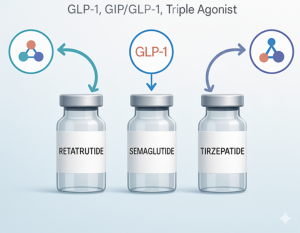
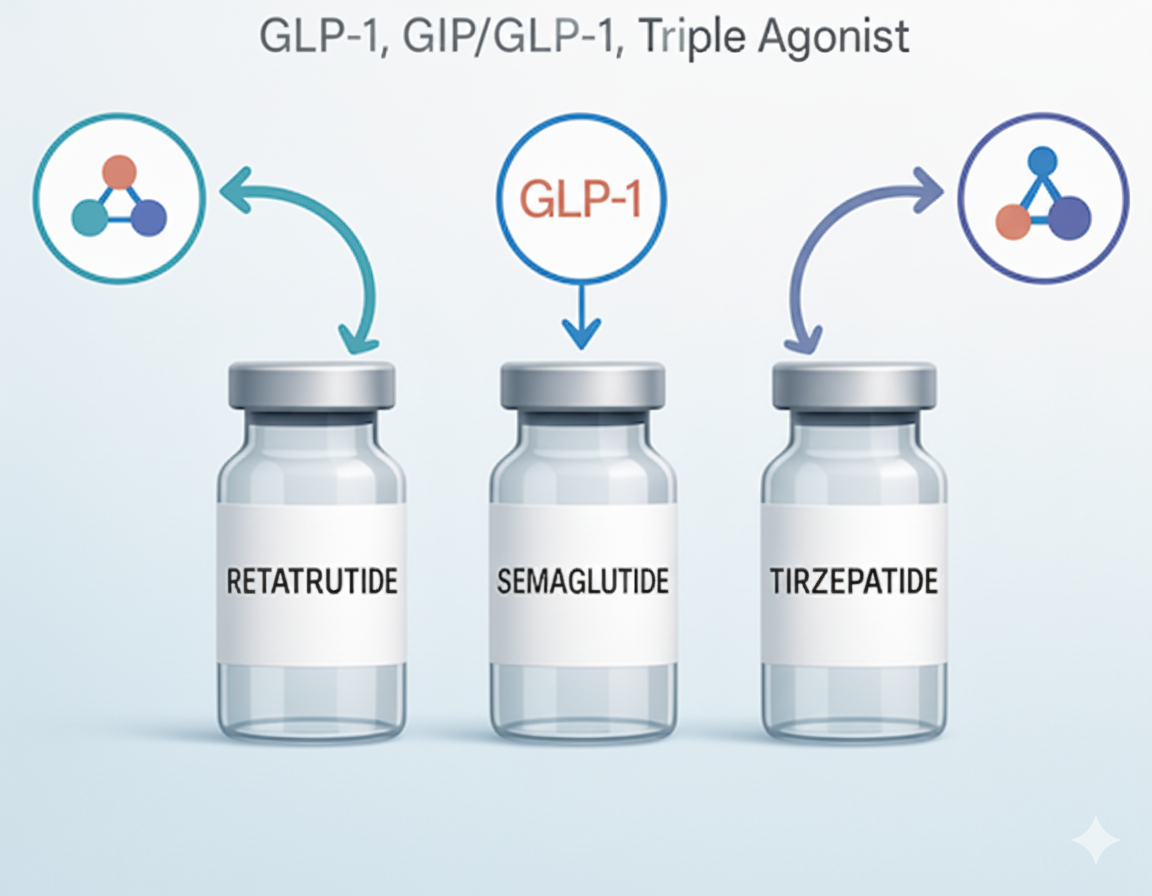
If that’s what you typed into Google, you’re not alone. Let’s gently clear it up. Adaptogens aren’t injections. They’re natural helper herbs and fungi like ashwagandha, rhodiola, and ginseng usually taken as capsules, teas, tinctures, or powders. When people talk about “weight-loss injections,” they usually mean prescription medicines that work on gut-hormone pathways (think GLP-1 drugs). Adaptogens aren’t those. They’re supportive tools, not prescription treatments.
At Adaptog Research, we’re interested in the why behind weight gain and plateaus. A huge part of that story is stress biology, how your body reacts to pressure, poor sleep, and a nonstop life. Adaptogens won’t “melt fat.” What they can do is lower the friction that makes healthy habits hard: the racing thoughts, the snacky cravings at 9pm, the afternoon energy crash, the sore-all-over recovery, the “ugh, not today” feeling. When that friction eases, the habits that actually drive weight loss, better food choices, consistent movement, decent sleep become a lot more doable.
Table of Contents
- Stress, Cortisol, and Why Weight Loss Feels Harder Under Pressure
- What Adaptogens Can and Cannot Do for Weight Management
- Meet the Leading Adaptogens
-Ashwagandha (Withania somnifera)
-Rhodiola rosea
-Panax ginseng
-Curcumin (from turmeric)
-Schisandra & Eleuthero (supportive adaptogens)
- A Practical, Human Plan for Using Adaptogens
-Step 1: Pick Your First “Why”
-Step 2: Build a Simple 12-Week Rhythm
-Step 3: Decide What to Keep
- Safety, Quality, and Honesty: How to Use Adaptogens Wisely
- Adaptog Weight Loss Injections vs. Prescription Injections
- References
Stress, Cortisol, and Why Weight Loss Feels Harder Under Pressure
When life stacks up, your body leans on cortisol, the “get through this” hormone. In short bursts, it helps. But when stress hangs around, so does cortisol. That’s when the cozy snacks call your name, your middle feels a bit stickier, and sleep gets choppy so you wake up hungrier and a little over it.
Adaptogens can help here not as hype pills or “fat burners,” but more like a dimmer switch. They lower the background stress a notch so your system can settle. And when the noise is lower, it’s simply easier to choose a decent meal, take that walk, and actually fall asleep.
What adaptogens can and cannot do for weight management
They can:
- Help you feel calmer and sleep better, so you snack less from stress or exhaustion
- Smooth out energy so workouts happen more consistently
- Support steadier blood-sugar responses, which reduces “crash-and-crave” eating
- Improve recovery so you’re not wiped after being active
They cannot:
- Replace a medically-indicated treatment
- “Burn fat” on their own
- Compensate for highly processed diets, chronic sleep loss, or total inactivity
Adaptogens are helpers; the heavy lifting still comes from food quality, movement, sleep, and—when appropriate clinical care.
Meet the leading adaptogens
Ashwagandha (Withania somnifera)
On those nights you feel wired and wiped at the same time, ashwagandha is the friend who turns the stress dial down a notch. People reach for it because evenings get calmer, cravings feel less loud, and sleep usually comes easier. Most folks use a standardized root extract, often in the evening just follow the label and your clinician’s lead.
Rhodiola rosea
When the day has sat on your shoulders and the gym feels a mile high, rhodiola can make “getting started” feel lighter. It’s more “steady push” than buzz helpful for easing into movement and staying with it. Take it earlier in the day, and look for standardized extracts (rosavins/salidroside).
Panax ginseng
If afternoons hit like a wall and you start hunting for something sweet, ginseng can help smooth those energy dips. People like it for a steadier between-meal feel and fewer “hangry” swings, nice for appetite rhythm and overall metabolic health. Standardized products are your friend here; morning or midday works for most.
Curcumin (from turmeric)
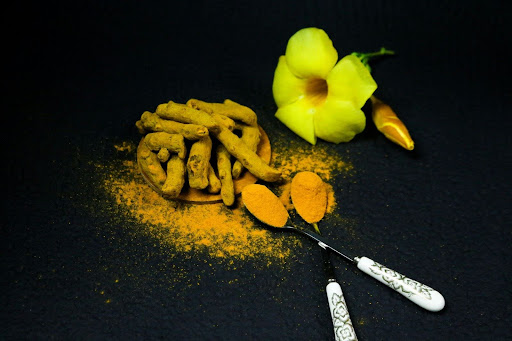
If your doctor’s mentioned metabolic risk and you’re working on food, sleep, and movement, curcumin can be a patient, behind-the-scenes helper. Changes tend to be modest and gradual, that’s the point. Pick a bioavailable form and give it time; consistency is where it pays off.
Schisandra & Eleuthero performance and resilience, with earlier evidence
- Schisandra (Schisandra chinensis): Usually used for stamina and liver support, interesting for overall metabolic health, though human data for weight outcomes remain limited.
- Eleuthero (Eleutherococcus senticosus): A classic “work capacity” adaptogen. Some human data suggest endurance benefits; treat it as a consistency aid rather than a fat-loss agent.
- Quick reality check: there are other popular names holy basil, maca, cordyceps that people love for energy, mood, or stress. They can be part of a thoughtful plan, but the strongest modern human data for weight-relevant outcomes cluster around ashwagandha, rhodiola, ginseng, and curcumin.
A practical, human plan (because life is busy)
Step 1: Pick your first “why”
- Stress-eating, 3 pm sugar hunts, restless nights → start with ashwagandha
- “I can’t get going” or I skip workouts because I’m toast → rhodiola
- Roller-coaster hunger, post-meal slumps → discuss ginseng with your clinician
- Metabolic-syndrome picture under medical care → consider curcumin as an adjunct
Step 2: Build a simple 12-week rhythm
Weeks 1–2
- Choose one adaptogen and take it as directed on the label.
- Anchor meals around protein + fiber + color (e.g., eggs + greens; lentils + veg; chicken + beans).
- Pick three little movement dates with yourself each week 20–30 minutes. A brisk walk, a few body-weight moves, a loop around the block with a podcast. Put them in your calendar like real appointments.
- Choose a bedtime and wake time and stick close to them. One simple routine beats ten clever hacks.
Weeks 3–6
- Notice what’s changing: if evenings feel calmer and cravings are quieter, you’re on track.
- If energy still feels flat in the mornings, you could add rhodiola (morning). If you’re sensitive to supplements, stay with just one for now. Slow and steady is still progress.
- Track “did I move?” instead of chasing calories burned. A tick on the calendar builds momentum better than any number on a screen.
Weeks 7–12
- Review the fit of your stack with a clinician or coach, especially if you take any prescription meds.
- Make one food environment change (e.g., fruit and yogurt front and centre; snacks out of sight).
- Keep the same bedtime. It’s unglamorous and incredibly powerful.
Step 3: Decide what to keep
At 12 weeks, you should see lower “food noise,” steadier energy, and better follow-through. If not, revisit sleep, protein, and training before adding more supplements.
Safety, quality, and honesty (how we keep you safe)
- Talk to your clinician first. Adaptogens can interact with medicines for blood pressure, blood thinners, blood sugar, thyroid, and more. They’re not right for everyone, especially if you’re pregnant or breastfeeding.
- Buy smart. Choose standardized, third-party–tested products. Look for named extracts on the label (for example, withanolides % for ashwagandha; rosavins/salidroside % for rhodiola).
- Start low, go slow. Try one adaptogen at a time and give your body a fair trial before stacking. Patience beats piling on.
- Listen to your body. Side effects can happen most are mild (tummy upset, headache) and dose-related. If anything feels off, stop and speak with your clinician. Your safety comes first.
Adaptog Weight Loss Injections vs prescription injections
Prescription shots (like GLP-1 medicines) work right on appetite signals and how quickly food leaves your stomach. That can strongly shape hunger and blood sugar, powerful tools, and very much a doctor-guided decision.
Adaptog does something different. It aims to ease the stress, friction the racing mind, snacky urges, low oomph so the basics feel doable again. Think of it as turning down background noise, not turning up a “fat burn” switch. For a lot of people, that’s the difference between “I tried… again” and “I can finally stick with this.”
You’ll never see us promise “rapid fat melt” or sell a miracle. We use plain language, current evidence, and a safety-first mindset. Your body isn’t a hack; it’s a system that does best with respect, routine, and realistic tools. We’ll always meet you there.
References
- Wilding JPH, Batterham RL, Calanna S, et al. Once-Weekly Semaglutide in Adults with Overweight or Obesity (STEP-1). New England Journal of Medicine. 2021. doi:10.1056/NEJMoa2032183.
- Akhgarjand C, Asoudeh F, Bagheri A, et al. Does ashwagandha supplementation help manage anxiety and stress? A systematic review and meta-analysis of randomized controlled trials. Phytotherapy Research. 2022. doi:10.1002/ptr.7598.
- Shishtar E, Sievenpiper JL, Djedovic V, et al. The effect of ginseng (genus Panax) on glycemic control: a systematic review and meta-analysis of randomized controlled trials. PLOS ONE. 2014;9(9):e107391. doi:10.1371/journal.pone.0107391.
Unhapipatpong C, Polruang N, Chattranukulchai Shantavasinkul P, et al. The effect of curcumin supplementation on weight loss and anthropometric indices: an umbrella review and updated meta-analyses of randomized controlled trials. American Journal of Clinical Nutrition. 2023.