
What Are Adaptogens? A practical guide
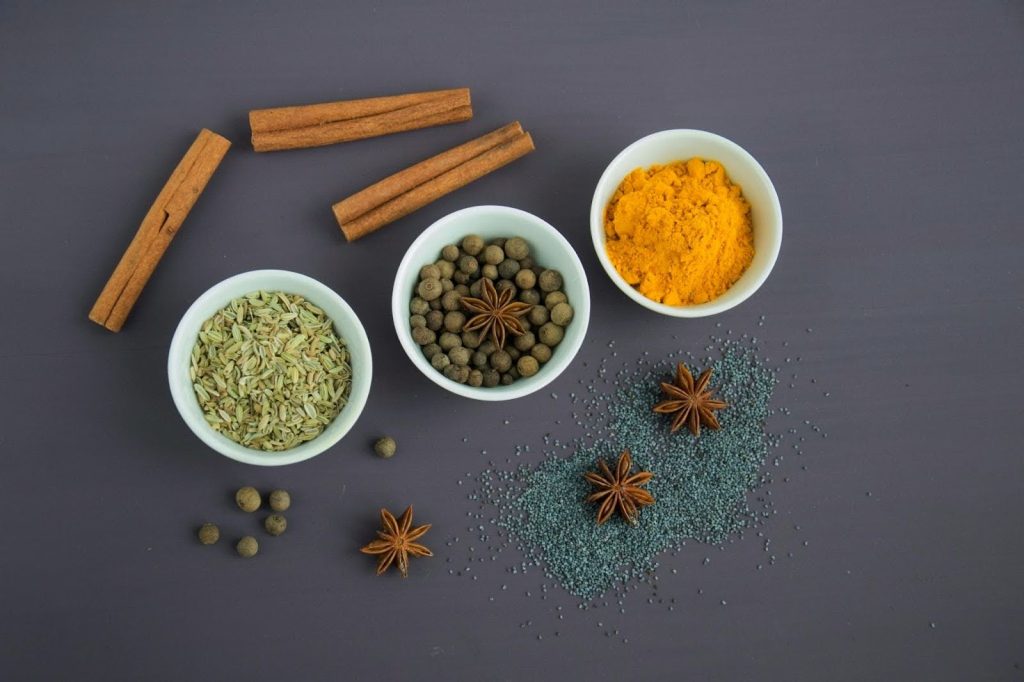
Curious to know what are Adaptogens? Wondering if they fix everything? Can they help you unwind at night or keep you even through the afternoon? They are herbs and being honest they cannot fix everything but yes they can help you to unwind at night or afternoon often. The only thing you need to do is to use them with good food, movement, and sleep. As like any new editions always start small. Keep a record of how your body responds. And keep your doctor informed what you are taking. What makes something an adaptogen? Not every herb that helps with stress is truly an adaptogen. To count as one, the research (and even regulators) usually say it needs to check a few boxes: be non-toxic at normal doses, support stress resilience (you bend, don’t break), and help nudge the body back toward balance rather than push one system hard (unlike a stimulant). European regulators have even noted the concept needs careful use and more human data before it fits standard pharmacology terms which is a good reminder to keep claims grounded. How they might work: Think of stress as background static. Some adaptogens appear to act on the body’s stress-response networks (often called the HPA axis), which may explain why a few people feel calmer or less fatigued under pressure more “even,” not knocked out. How adaptogens can feel in real life On a stacked day: you’re still busy, but you don’t ping-pong between wired and wiped. Evenings feel less buzzy; bed doesn’t feel like a battle. On a “gym feels heavy” day: getting started takes less pep-talk; effort feels a shade lighter. On snack-o’clock afternoons: the dip is softer, and the “must have something sweet” urge is easier to ride out. Small shifts, repeated, are the point, not fireworks on day one. Pocket profiles Ashwagandha (Withania somnifera) Best for: a calmer wind-down at night, fewer late-night fridge raids, and more settled sleep. What people notice: calmer wind-down; fewer late-night rummages; more settled sleep over a few weeks. Meta-analyses suggest small-to-moderate improvements in perceived stress/anxiety (with generally low-to-moderate evidence quality so manage expectations). How to use: standardized root extract; many prefer evening. Start low; follow your label and clinician. Who should pause/ask first: If you’re pregnant or breastfeeding, have thyroid issues or take thyroid medication, or use strong sedatives, pause and talk to your doctor first. Always review the safety notes and trusted fact sheets before starting. Rhodiola rosea Best for: low drive, “getting started” feels heavy, stress-related fatigue. What people notice: effort feels lighter; “start inertia” shrinks. A 2022 systematic review summarized exercise/fatigue outcomes and suggests potential benefits with reasonable safety. How to use: morning or midday; look for rosavins/salidroside on the label. Who should pause/ask first: bipolar spectrum, certain antidepressants get clinician guidance. See fact sheet. Panax ginseng (Asian P. ginseng; American P. quinquefolius) Best for: afternoon “crash-and-crave,” wanting a steadier between-meal feel. What people notice: smoother energy and appetite rhythm in some; human trials show modest support for glycemic control. How to use: standardized extract with ginsenosides; morning/midday is common. Who should pause/ask first: blood thinners, blood-sugar meds, uncontrolled hypertension; pause pre-op. See updated safety sheet. Reishi (Ganoderma lucidum) & Schisandra (Schisandra chinensis) Best for: gentle wind-down (reishi) and stamina/focus in traditional use (schisandra). Human outcomes are mixed/early; think “subtle support,” not quick fix. Buy clearly labeled extracts (fruiting body for reishi; standardized lignans for schisandra). Reality check: none of these “burn fat” or “fix hormones.” Their value is in reducing friction so the basic meals, movement, and sleep are easier to follow through on. How to choose wisely: the 4-S method 1) Symptom/goal Pick one job for one herb. Fuzzy aim = fuzzy results. Calmer evenings → ashwagandha Lighter starts/less effort → rhodiola Smoother between-meal energy → ginseng 2) Safety Scan your red flags: pregnancy/breastfeeding; upcoming surgery; meds for blood pressure, blood sugar, thyroid, mood, or blood thinners. If anything pings, talk to your clinician. Authoritative consumer fact sheets from NIH can help you prepare questions. 3) Standardization Your label should show: Latin name + plant part (e.g., Withania somnifera root) Extract ratio (e.g., 10:1) and actives: withanolides (ashwagandha), rosavins/salidroside (rhodiola), ginsenosides (ginseng) Transparent daily dose (not a “proprietary blend”) 4) Sourcing Look for third-party testing or an accessible Certificate of Analysis (COA), real lot numbers, and reputable suppliers. Skip fairy-dust gummies and mystery blends. Dosing, timing, and what actually matters Format: Capsules or standardized tinctures make it easier to judge dose. Tea is lovely for ritual; extracts are simply more measurable. With food? Many extracts sit better with a small snack/meal following your label. Time of day: Uplifting picks (rhodiola, ginseng) in the morning; calming picks (ashwagandha, reishi) late afternoon/evening. Run-in window: Give one adaptogen 2–4 weeks before deciding. You’re looking for trends, not a single “wow.” What to track (3 minutes, 3×/week): Time to fall asleep (minutes) Start-effort for movement (0–10 scale) Afternoon alertness (0–10) Number of crash-snacks per week If two or more signals improve without side effects, keep going to 6–8 weeks. If not, stop, don’t double the dose and hope. When adaptogens are the wrong tool You’re replacing care with capsules. High blood pressure, uncontrolled blood sugar, major mood symptoms? Get medical care first. You’re running on 4 hours of sleep. No herb outruns chronic sleep debt. You want a stimulant buzz. Adaptogens shouldn’t act like that; if they do, it’s likely a mislabeled product or too high a dose. You want a “detox.” Your liver already detoxes; quality protein, fiber, and hydration help more than hype. Safety, interactions, and side effects Ashwagandha: watch if you have thyroid issues or take thyroid meds; use caution with sedatives. Rhodiola: use clinician oversight with antidepressants or bipolar spectrum. Ginseng: can interact with anticoagulants/antiplatelets and affect blood sugar monitor with your clinician; pause 2 weeks before surgery. General: mild GI upset, headache, loose stools, or vivid dreams can occur and are often dose-related. If anything feels off, stop and speak with your
Adaptog Weight Loss Injections? A Human Guide to Stress, Adaptogens, and Smarter Fat Loss

Wait… “adaptogen injections” for weight loss? If that’s what you typed into Google, you’re not alone. Let’s gently clear it up. Adaptogens aren’t injections. They’re natural helper herbs and fungi like ashwagandha, rhodiola, and ginseng usually taken as capsules, teas, tinctures, or powders. When people talk about “weight-loss injections,” they usually mean prescription medicines that work on gut-hormone pathways (think GLP-1 drugs). Adaptogens aren’t those. They’re supportive tools, not prescription treatments. At Adaptog Research, we’re interested in the why behind weight gain and plateaus. A huge part of that story is stress biology, how your body reacts to pressure, poor sleep, and a nonstop life. Adaptogens won’t “melt fat.” What they can do is lower the friction that makes healthy habits hard: the racing thoughts, the snacky cravings at 9pm, the afternoon energy crash, the sore-all-over recovery, the “ugh, not today” feeling. When that friction eases, the habits that actually drive weight loss, better food choices, consistent movement, decent sleep become a lot more doable. Table of Contents Stress, Cortisol, and Why Weight Loss Feels Harder Under Pressure What Adaptogens Can and Cannot Do for Weight Management Meet the Leading Adaptogens -Ashwagandha (Withania somnifera) -Rhodiola rosea -Panax ginseng -Curcumin (from turmeric) -Schisandra & Eleuthero (supportive adaptogens) A Practical, Human Plan for Using Adaptogens -Step 1: Pick Your First “Why” -Step 2: Build a Simple 12-Week Rhythm -Step 3: Decide What to Keep Safety, Quality, and Honesty: How to Use Adaptogens Wisely Adaptog Weight Loss Injections vs. Prescription Injections References Stress, Cortisol, and Why Weight Loss Feels Harder Under Pressure When life stacks up, your body leans on cortisol, the “get through this” hormone. In short bursts, it helps. But when stress hangs around, so does cortisol. That’s when the cozy snacks call your name, your middle feels a bit stickier, and sleep gets choppy so you wake up hungrier and a little over it. Adaptogens can help here not as hype pills or “fat burners,” but more like a dimmer switch. They lower the background stress a notch so your system can settle. And when the noise is lower, it’s simply easier to choose a decent meal, take that walk, and actually fall asleep. What adaptogens can and cannot do for weight management They can: Help you feel calmer and sleep better, so you snack less from stress or exhaustion Smooth out energy so workouts happen more consistently Support steadier blood-sugar responses, which reduces “crash-and-crave” eating Improve recovery so you’re not wiped after being active They cannot: Replace a medically-indicated treatment “Burn fat” on their own Compensate for highly processed diets, chronic sleep loss, or total inactivity Adaptogens are helpers; the heavy lifting still comes from food quality, movement, sleep, and—when appropriate clinical care. Meet the leading adaptogens Ashwagandha (Withania somnifera) On those nights you feel wired and wiped at the same time, ashwagandha is the friend who turns the stress dial down a notch. People reach for it because evenings get calmer, cravings feel less loud, and sleep usually comes easier. Most folks use a standardized root extract, often in the evening just follow the label and your clinician’s lead. Rhodiola rosea When the day has sat on your shoulders and the gym feels a mile high, rhodiola can make “getting started” feel lighter. It’s more “steady push” than buzz helpful for easing into movement and staying with it. Take it earlier in the day, and look for standardized extracts (rosavins/salidroside). Panax ginseng If afternoons hit like a wall and you start hunting for something sweet, ginseng can help smooth those energy dips. People like it for a steadier between-meal feel and fewer “hangry” swings, nice for appetite rhythm and overall metabolic health. Standardized products are your friend here; morning or midday works for most. Curcumin (from turmeric) If your doctor’s mentioned metabolic risk and you’re working on food, sleep, and movement, curcumin can be a patient, behind-the-scenes helper. Changes tend to be modest and gradual, that’s the point. Pick a bioavailable form and give it time; consistency is where it pays off. Schisandra & Eleuthero performance and resilience, with earlier evidence Schisandra (Schisandra chinensis): Usually used for stamina and liver support, interesting for overall metabolic health, though human data for weight outcomes remain limited. Eleuthero (Eleutherococcus senticosus): A classic “work capacity” adaptogen. Some human data suggest endurance benefits; treat it as a consistency aid rather than a fat-loss agent. Quick reality check: there are other popular names holy basil, maca, cordyceps that people love for energy, mood, or stress. They can be part of a thoughtful plan, but the strongest modern human data for weight-relevant outcomes cluster around ashwagandha, rhodiola, ginseng, and curcumin. A practical, human plan (because life is busy) Step 1: Pick your first “why” Stress-eating, 3 pm sugar hunts, restless nights → start with ashwagandha “I can’t get going” or I skip workouts because I’m toast → rhodiola Roller-coaster hunger, post-meal slumps → discuss ginseng with your clinician Metabolic-syndrome picture under medical care → consider curcumin as an adjunct Step 2: Build a simple 12-week rhythm Weeks 1–2 Choose one adaptogen and take it as directed on the label. Anchor meals around protein + fiber + color (e.g., eggs + greens; lentils + veg; chicken + beans). Pick three little movement dates with yourself each week 20–30 minutes. A brisk walk, a few body-weight moves, a loop around the block with a podcast. Put them in your calendar like real appointments. Choose a bedtime and wake time and stick close to them. One simple routine beats ten clever hacks. Weeks 3–6 Notice what’s changing: if evenings feel calmer and cravings are quieter, you’re on track. If energy still feels flat in the mornings, you could add rhodiola (morning). If you’re sensitive to supplements, stay with just one for now. Slow and steady is still progress. Track “did I move?” instead of chasing calories burned. A tick on the calendar builds momentum better than any number on a screen. Weeks 7–12 Review the fit of
What Is Retatrutide? The New “Triple G” Weight Loss Injection
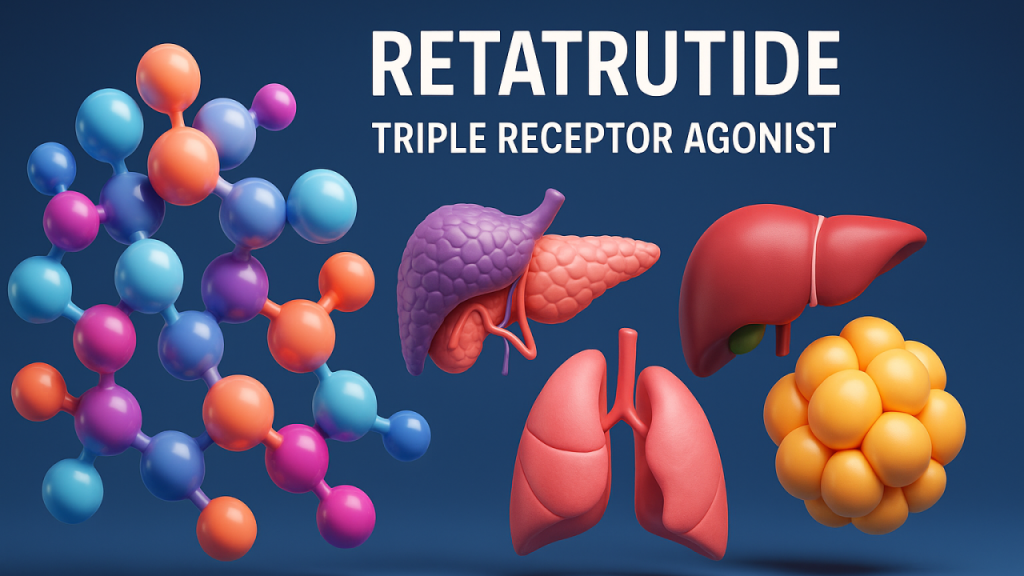
Wondering What Is Retatrutide? This is actually A new hope in the fight against obesity… In recent years, weight loss injections like Wegovy and Mounjaro have been making waves. They’ve helped thousands of people lose weight when diets, exercise, and older treatments didn’t work. But now, there’s a new contender generating a lot of buzz: Retatrutide. Sometimes called “Triple G,” Retatrutide is an experimental medicine that could take weight loss to an entirely new level. Let’s explore what it is, how it works, what results we’ve seen so far, and what it might mean for the future of obesity and diabetes care. Table of Content A new name in the weight loss conversation Why is Retatrutide different? What is Retatrutide used for? What have the studies shown? How does it compare with Wegovy and Mounjaro? How is Retatrutide taken? What about side effects? Where things stand today Why it matters Is Retatrutide available in the UK? FAQs What does the future hold? How quickly does it work? How is it different from Ozempic or Wegovy? What about access and prescriptions? Final Thoughts Why is Retatrutide different? Most weight-loss injections copy one or two natural hormones that help regulate appetite and blood sugar. Retatrutide goes a step further. It acts on three different hormones at the same time: GLP-1 – tells your brain you’re full, helps you eat less, and slows digestion. GIP – supports your body in handling sugar after meals. Glucagon – encourages the body to burn fat stores for energy. That’s why it’s nicknamed “Triple G.” Instead of tackling weight from just one angle, Retatrutide works on hunger, metabolism, and fat-burning simultaneously. What is Retatrutide used for? Retatrutide isn’t being studied for weight loss alone. Researchers are also looking at how it could support other conditions closely linked to obesity and metabolism. 1. Obesity management This is where Retatrutide has made headlines. In early trials, people lost up to a quarter of their body weight in less than a year. That’s a level of weight loss usually only seen after surgery. For those who’ve struggled with diets or other treatments, Retatrutide could be a game-changing option if it continues to prove safe and effective. 2. Type 2 diabetes Obesity and type 2 diabetes often go hand-in-hand. Retatrutide doesn’t just help with weight loss it also helps the body handle blood sugar more efficiently. By boosting insulin sensitivity and reducing glucose spikes after meals, it may improve long-term diabetes control. For patients, this means better blood sugar stability and fewer risks of complications. 3. Fatty liver disease Another exciting finding is Retatrutide’s potential role in treating non-alcoholic fatty liver disease (NAFLD). This condition happens when too much fat builds up in the liver, often in people who are overweight or have diabetes. In a recent study, Retatrutide not only reduced weight but also cut down liver fat, which could help prevent liver damage in the future. What have the studies shown? The early research is eye-catching. In a large phase 2 clinical trial published in The New England Journal of Medicine (2023), people taking Retatrutide lost an average of 24% of their body weight in just under a year. To put that into perspective, someone weighing 100kg could lose around 24kg. At the highest doses, more than a quarter of participants lost over 30% of their body weight, an outcome rarely seen with existing treatments. Weight loss also began fairly quickly. Some participants noticed results in the first month, with steady progress over the year. On top of weight reduction, researchers also noticed improvements in blood sugar control and liver fat reduction, suggesting Retatrutide could help with type 2 diabetes and fatty liver disease (NAFLD) too. How does it compare with Wegovy and Mounjaro? Treatment Hormones Targeted Average Weight Loss Key Advantage Wegovy GLP-1 only 15–17% (72 weeks) Appetite suppression Mounjaro GLP-1 + GIP 22–25% (72 weeks) Dual-action boost Retatrutide GLP-1 + GIP + Glucagon 24% (48 weeks) Triple action, adds fat-burning The difference comes down to breadth of action. Retatrutide adds glucagon into the mix, giving it a fat-burning effect that other medicines don’t directly provide. That may explain why results have been so strong, even in a shorter time frame. How is Retatrutide taken? Like Wegovy and Mounjaro, Retatrutide is designed as a once-weekly injection. It’s given under the skin using a pen-style injector, usually in the abdomen, thigh, or upper arm. To make it easier on the body, doses are started low and gradually increased. This helps reduce the chance of side effects while the body adjusts. What about side effects? Most of the side effects reported so far are mild and temporary, especially during the first few weeks. They include: Nausea Vomiting Diarrhoea or constipation Stomach discomfort These are similar to what people experience with other weight-loss injections. In most cases, they improve as treatment continues. Importantly, no serious safety issues have been highlighted in the trials so far. Where things stand today It’s important to remember that Retatrutide is still in the research stage. The promising results we’ve seen come from early and mid-stage trials. Larger studies are now underway to confirm how well it works and how safe it is in a wider range of people. That means it isn’t available to patients yet. If the results hold up, it could become a powerful new tool for doctors to treat obesity, diabetes, and liver disease in the future. Why it matters Studies have proved that obesity isn’t just about weight. It increases the risk of diabetes, heart disease, liver problems, and more. For many people, traditional weight loss methods aren’t enough not because of lack of willpower, but because of how the body regulates hunger and energy. Medicines like Retatrutide are designed to work with the body’s own biology, giving people a fairer chance at achieving and maintaining healthier weight. If confirmed, this could be one of the most significant advances in obesity care yet. Is Retatrutide available in the UK? Not