
Retatrutide UK Guide: Benefits, Dosage & Where to Buy

In the UK, there is an increasing need for efficient and long-term weight management interventions. Since obesity is becoming more and more widespread and conventional dieting methods do not always assist in achieving long-term weight loss, scientists have shifted their efforts to peptides- small chains of amino acids that can alter metabolic and hormonal pathways. Among them, Retatrutide has been one of the most promising of the compounds that are under clinical study. Retatrutide has a multi-receptor profile (i.e., it can affect appetite, energy expenditure, and metabolic balance), unlike traditional interventions, which only impact one of the mechanisms. The overall nature of this action renders it particularly attractive to people striving to get permanent support in weight management. But since Retatrutide is in the research stages, most questions are yet to be answered: What is Retatrutide? What benefits does it offer? How should it be used? And above all, where are people in the UK able to get it safely? This guide will provide the answers to these questions, including the benefits of Retatrutide, dosage, its availability in the UK, and the safest methods of acquiring it by engaging reputable suppliers such as UK Peptides. What is Retatrutide? Retatrutide is a triple-agonist peptide, or in other words, it stimulates the following three receptors in the body at the same time: GLP-1 (Glucagon-like peptide-1): aids in normalising blood sugar and appetite. GIP (Glucose-dependent insulinotropic polypeptide): It promotes the release of insulin and assists in the breakdown of fat. Glucagon receptor: Promotes energy usage that causes the body to burn more fat effectively. Retatrutide combines three of these weight-loss pathways in a single attack, making it a holistic approach to weight loss and metabolism. Rather than relying on just one of the two topics, which is the issues of appetite suppression or insulin regulation, it offers a more balanced approach, which helps in various energy management areas. This contrasts with older classes of compounds, including those that are single-action GLP-1 receptor agonists, like Semaglutide, which, despite being effective, have not provided the same range of benefits. Rat in vitro studies have shown that retatrutide impedes LTC platelet aggregation by blocking calcium release from the platelets.<|human|>In vitro experiments on rats have demonstrated that the retatrutide inhibits the aggregation of platelets in LTC through the prevention of calcium release in the platelets. Benefits of Retatrutide Weight Loss Acceleration Among the most substantial advantages of Retatrutide, there is the possibility of losing weight faster. It has been clinically indicated to have the potential of making significant gains in body weight through the reduction in caloric intake and stimulating fat oxidation. In other studies, those who participated had better results than the existing therapies, and this is promising to other people who have had difficulties with their weight management in the past. Control of Appetite and Craving. Being able to control cravings is the most challenging part of dieting for many. Retatrutide directly attacks this problem by communicating to the brain that the body is whole. This minimises the desire to eat more and makes people adhere to healthier eating habits without feeling deprived. Blood Sugar Regulation Retatrutide not only helps manage weight but also aids in the management of blood glucose. It can decrease the risk of type 2 diabetes- a condition that has been strongly associated with obesity, by increasing insulin sensitivity and regulating glucose levels. This coupled effect renders Retatrutide particularly useful in the study of metabolism. Better Energy and Metabolism. The stimulation of glucagon receptors assists the body in burning the excess energy when resting and being active. This implies that the user might have an upsurge in the energy level and an increase in efficiency in fat metabolism. Retatrutide can reduce appetite and increase energy expenditure, which is a combination of two essential variables in the success of the long-term weight loss process. Retatrutide Dosage in the UK Clinical Trial Findings Several dosing regimes have been studied in clinical trials of Retatrutide. These studies indicate that the dose is related to it in a dose-dependent manner, with higher doses tending to work better at lowering the weight. Still, they can also result in a rising number of mild side effects like nausea or stomach upsets. The trade-off between impact and tolerability is central. Typical Research Dosages Dosage of Retatrutide in research has generally been between 1 mg and 12mg/week. These doses are cautiously manipulated to respond to and tolerate the participants. They are research figures that must not be used without proper advice. Medical Guidance is Important Due to the potency of Retatrutide and its ability to act in various pathways, the body requires the correct dosage. Excessive use may overload the system, and too little may cause diminished effectiveness. That is why it is highly advisable to be under medical attention when trying peptides such as Retatrutide. A visit to a medical specialist is a guarantee of the correct usage, individual changes and successful outcomes. Is Retatrutide Available in the UK? Currently, Retatrutide is not approved to be used as a prescription in the UK. It is still prematurely in the clinical development phase and is undergoing tests in controlled settings to determine its safety, effectiveness, and long-term effects. Nevertheless, scientific and investigational Retatrutide is available in research grade. It enables the researchers and professionals to investigate its effects without contravening the relevant standards. To gain access, the most crucial factor is to find a solid supplier which sells real peptides and provides clear information. Where to Buy Retatrutide in the UK Buying Online Safely The simplest yet the most viable path to Retatrutide in the UK is via reliable online suppliers of peptides. Nevertheless, the market is saturated with unchecked sellers, and it is necessary to tell the real and fake sources. Safe internet purchasing entails the checking of: Third-party laboratory Certificates of Analysis (COAs). Clear product display with dose and storage information. Professional web designs and encrypted payments. Reviews by customers that assure
How to Buy Retatrutide Safely Online Without Risk

The ease of ordering products online has made it to the sphere of researching peptides and weight loss medication in the digital era. A promising peptide is Retatrutide, which is a compound that is currently creating excitement worldwide because of its potential in dealing with obesity and metabolic health. Although online shopping simplifies the process of access, it also poses serious threats as far as authenticity, safety, and legality are concerned. The uncontrolled websites and fake suppliers mean that the purchase of Retatrutide through the wrong channel may result in loss of money, inefficiencies of treatment and even risky health effects. To the readers who might be interested in using Retatrutide, accessibility versus safety is the key. This guide will describe what Retatrutide is, how unsafe purchases can be dangerous, how to find a trusted seller, and what steps one needs to take to shop Retatrutide online and not take any risks safely. By the conclusion, you will know how to prevent fraud and make an informed decision, so that you will have a real, quality peptide fabricated by credible providers such as UK Peptides. What is Retatrutide? Retatrutide is a triple-agonist peptide which is under clinical research due to its impacts on obesity, diabetes and metabolic disorders. In contrast to other single-pathway agents, Retatrutide does not differentiate between GLP-1, GIP and glucagon receptors and forms a multi-pronged intervention in the management of weight. In continuing research, Retatrutide has shown the capability to: Reducing appetite will help one keep to calorie limits. Stimulate fat metabolism and energy use. Enhance blood sugar level by balancing glucose and insulin levels. Promote life-long metabolic health, which may lower the risk of obesity. The outcome of preclinical trials is auspicious. Indeed, studies show that Retatrutide has the potential to be more effective than some existing GLP-1 receptor agonists, so it is a peptide with immense potential for researchers and clinicians. Nevertheless, because it is still under research, it is critical that one only purchases it through valid and clear sources. Risks of Buying Retatrutide Online The internet leads to the increased accessibility of Retatrutide, but it also exposes it to extreme dangers. These risks are the subject of safe and responsible buying. Counterfeit Products The greatest threat is the most immediate, which is counterfeit or adulterated Retatrutide. Other suppliers can promote peptides which are useless copies, or they can be combined with hazardous fillers. These fake copies not only fail to deliver the benefits, but can also lead to some health problems on the side. Unsafe Peptides pose a Health Risk. Authenticity directly affects safety. Peptides of poor quality could be prepared without any control or in a non-sterile state. Unclean batches will cause infections, allergies, or damage to long-term organs. Retracted is a powerful substance that influences the activity of several hormones; therefore, it can be especially hazardous to use unproven products. Financial Scams Customers are attracted by many fraud websites with too good to be accurate prices. In such instances, consumers can make an order, pay and fail to get the product. Worse, sensitive payment information may be compromised, and identity theft or fraud charges may take place. Legal Considerations Since Retatrutide is in its research stages, laws concerning its sale differ depending on the country. Purchasing the products of unlicensed vendors can subject people to the risks of breaking the local regulations. The fact that the supplier operates within the regional regulations gives the assurance of peace of mind, and other legal risks are avoided. How to Identify a Trusted Seller Safe Retatrutide buying relies on the correct supplier. The following are 1obvious signs of distinguishing between the secure and the unsafe vendors. Marks of a Trustworthy Peptide Shop. A reliable supplier will furnish: Certificates of Analysis (COAs): Lab reports that have been conducted by other laboratories that verify purity and potency. Clear communications: Explicit description of products, dosing schedule and storage. Safe site and customer support: Professional site design, Web 2 encryption and Customer service. Good standing: Authenticated customer reviews and proven presence within the market of peptides. Red Flags of Fake or Unsafe Sellers Some of the red flags that are present with untrustworthy vendors include: None of the lab tests or generic statements about the product. Unrealistically low prices in relation to the industry prices. Skeleton-thin product descriptions. Absence of refunding or customer service. These symptoms can be detected early enough to ensure buyers are not exposed to losses in money and health. As an illustration, in the UK, Peptides clients can get verified lab-tested peptides and transparent product specifications- guaranteeing confidence in their purchase. Steps to Buy Retatrutide Safely Online The knowledge of the correct process is a guarantee of high safety and reliability of all purchases. Conduct Due Due Diligence on the Vendor. Don’t rush into a purchase. Questions to ask include: verify the background, customer reviews and reputation of the vendor. Peptide suppliers that have years of experience in the industry market, such as UK Peptides, are reliable and trustworthy. Check Product Authenticity Make sure that there are Third-party lab reports. The authentic supplier will present evidence of testing to establish the purity and composition of the peptide. This step draws the line between quality research-grade peptides and hazardous fakes. Secure Payment Methods Protected payment systems are used with safe suppliers. You should not use the vendors that accept only unusual approaches, such as anonymous cryptocurrency payments or wire transfer, where the buyer is not guaranteed. Confirm Conditions Shipping and Storage. Peptides such as Retatrutide need to be stored with caution to maintain stability. An approved seller will explain shipping processes, such as temperature protection and packaging rules. In case a seller fails to provide information on storage requirements, it is a definite red flag. These steps will help you to be sure that your purchase is safe and compliant. Comparing Prices Without Compromising Safety The online buying price is usually the determinant, yet with peptides, the cheapest is hardly the safest. Peptides with
Adaptog Weight Loss Pens Work for Fast and Lasting Results
The weight loss process is a daunting task, particularly when there are numerous diets, exercise plans, and weight loss supplements promising quick weight loss. Over the last few years, weight loss pens have become a significant focus of attention as a more focused, scientifically supported tool of control of appetite and increasing fat burning. Among those, Adaptog Weight Loss Pens are becoming a strong force among those who are interested in quick and, at the same time, permanent outcomes. The pens, as opposed to fad diets which vow quick solutions, are set to operate within the normal processes of the body and enable the user to attain regular weight changes in the course of time. In this guide, we are going to discuss the mechanism of action of Adaptog weight loss pens, their efficacy, safety and benefits and compare them to conventional techniques. What Are Adaptog Weight Loss Pens? Adaptog weight loss pens are injectable pens that deliver peptides to address appetite, digestion and metabolism. These pens provide a convenient controlled dosage, just as is the case with insulin pens that people with diabetes use. Adaptog pens active compounds are similar to natural hormones, which control hunger and satiety, and therefore are helpful in weight management studies. Compared to over-the-counter diet supplements, which have included stimulants in most cases, Adaptog pens have a more hormonal mechanism of action, making them a safer, more medically advised way to lose weight. How Adaptog Pens Help With Weight Loss Eating control and minimising craving. Among the most significant functions of Adaptog pens, one can single out their craving-reducing effect. These pens have an impact of imitating gut hormones like GLP-1 (glucagon-like peptide-1), which send signals to the brain that the stomach is full, thus alleviating the need to snack or overeat. This process can be compared to that of the drugs in the diabetes and obesity studies. Reduced Digestion and Satiety. Adaptog pens also reduce the rate of emptying the stomach, retaining food in the digestive tract longer. This encourages the sense of fulfilment, such that the users consume fewer calories, yet feel satiated. The effect causes progressive loss of calories without drastic dieting. Increasing Metabolism and Fat Burning. Hormonal Adaptog pens can be used to enhance the metabolic rate of the body by regulating the hunger hormones and energy expended. Creating fewer spikes in blood sugar and insulin, the body is motivated to utilise stored fats to produce energy instead of depending only on the calories that are brought in. Hormonal (GLP-1 Mechanism) Regulation. The GLP-1 mechanism plays the leading role in the performance of Adaptog pens. GLP-1 analogues control the level of blood sugar, enhance insulin sensitivity, and inhibit appetite, which are all essential aspects of weight loss. This fact-based strategy makes Adaptogen pens different from unregulated weight loss supplements. Benefits of Using Adaptog Weight Loss Pens In the case of weight management solutions, one should not look at the short-term remedies but instead look at the ones that are geared towards helping one achieve sustainable development. The uniqueness of Adaptog Weight Loss Pens is that they help to manage appetite and cravings, along with providing long-term effects on metabolic health. These pens are conveniently designed and inspired by clinically-proven mechanisms to offer the user a convenient method of being reminded to stay on track. Keep reading to know more benefits: Long-term effects: not short-term solutions, but long-term weight management. Apetite Loss: Loss of appetite and urge, so it becomes easier to stay on the right track of a balanced diet. Better metabolism: Much improved metabolic health with increased insulin sensitivity. Peasy: pens that are convenient and do not need complex routines. Adaptog pens can be a great tool of support, especially paired with lifestyle changes, particularly in individuals who have a problem with emotional eating or inconsistent dieting. Are Adaptog Weight Loss Pens Safe? Adaptog Weight Loss Pens are not completely riskless, like any medical or peptide-based treatment. Although many users tolerate them well, one should know that side effects may arise as the body adapts to the therapy. The majority of these effects are mild and temporary, and they usually fade during the course of treatment, although being informed about them beforehand can allow the user to set realistic expectations and watch the effects keenly. Possible Side Effects Side effects can occur, as in any medical or peptide-based intervention. Some users may experience: Mild nausea Digestive discomfort Temporary fatigue Such effects tend to decrease with time as the body adapts. Who Should Avoid Them Adaptog pens are not suitable for: Breastfeeding or pregnant women. Those who have severe gastrointestinal problems Individuals who have some chronic medical conditions but have not been cleared by the medical board. Best Practices & Medical Supervision. Weight loss pens are to be used under medical guidance or side effects consultation. Safe use guarantees adequate dosage, monitoring and some adjustments. Adaptog Weight Loss Pens vs Traditional Weight Loss Methods Conventional weight loss is dependent on calorie intake, exercise and determination. Although these are efficient, they are usually incompatible because of unreliable appetite management and the absence of metabolic control. Adaptog pens instead, collaborate with the hormones in the body to decrease cravings and stabilise blood sugar, thus making it easier to follow a healthy diet plan and exercise schedule. These pens complement lifestyle changes, yielding superior long-term results, rather than substituting them. How to Use Adaptog Weight Loss Pens Correctly With Adaptog Weight Loss Pens, the dosage and frequency are paramount to the safety and efficacy. As the action of these pens is to imitate natural hormones that control appetite and metabolism, the dosage you take directly affects the outcome you expect. Contrary to over-the-counter supplements, Adaptog pens must be utilised with attention to rules since underuse can narrow down the benefits of appearance. In contrast, overuse can cause the risk of side effects to increase. Strict adherence to medically advised dosage regimes will mean that the body will adjust gradually to
How is Adaptog Research & Life Sciences Shaping the Future of Medical Discovery?

Introduction The next wave of medical breakthroughs will not come from a single university lab or a lone genius. It will emerge from teams that move fast, share data, and stay focused on real-world results. Adaptog Research & Life Sciences has built such a team. The group runs as a not-for-profit, yet it behaves like a startup: small crews, short decision lines, daily bench work, and constant contact with doctors who treat patients the same afternoon. This article explains, step by step, how Adaptog Research turns early ideas into tools that improve metabolism, weight control, and overall human performance. The Starting Point: A Clear Problem And A Clear Target Obesity and type 2 diabetes are still rising in every state. Standard advice, eat less, move more, helps some people, but millions still gain weight and lose years of life. Adaptog began with one question: can we find new signals inside the body that tell the brain, the pancreas, and the fat cell to work together instead of against each other? The team picked two well-known gut hormones, GLP-1 and GIP, because these molecules already show strong results in early human tests. Instead of walking away after the first good data, Adaptog dug deeper. They asked how the hormones act on the liver at 3 a.m., how they change the way muscles burn fat during a brisk walk, and how they might protect the heart during stress. That curiosity turned into a full research plan backed by lab work, animal studies, and small fast trials in volunteers. The Not-For-Profit Model: Speed Without Sales Pressure Most drug discovery groups answer to shareholders. Every positive slide deck must also promise future revenue. Adaptog removed that chain. All money from donors or product sales goes back into the next experiment. There are no quarterly earnings calls, no marketing quotas, and no push to hide a side effect that might hurt the brand. Scientists meet once a week, look at raw numbers, and decide within hours whether to move ahead, change the dose, or stop the line. This freedom shortens the timeline from idea to first-in-human test by roughly one half when compared with the classic pharma path. It also keeps the focus on patient benefit rather than pill color or packaging. The Research Pipeline: From Computer To Clinic In Four Steps Nothing enters the pipeline unless it can be made at gram scale for under ten dollars a dose. Cost is part of the discovery talk from day one, because an effective drug that no one can afford is still a failure. Step 1 – In-silico scan. Chemists use open-source software to model how small changes in a peptide chain might raise stability or cut side effects. Thousands of ideas are scored overnight. Step 2 – Bench proof. The top twenty molecules move to a robot that can cook up micro-grams at a time. Each compound meets fresh liver cells in a petri dish. Only versions that keep cells alive and lower sugar output advance. Step 3 – Small-animal test. Mice on high-fat chow receive the peptide for two weeks. The team tracks weight, blood sugar, activity, sleep, and heart rate by telemetery. Compounds that beat the old standard by at least thirty percent move on. Step 4 – Human safety run. Six to twelve volunteers spend a weekend on site. Nurses draw blood every hour, serve standard meals, and record appetite scores on a tablet. If the drug is safe and shows the expected signal, lower post-meal glucose, reduced hunger, the team opens a second larger trial within sixty days. The Role Of Peptides: Why These Molecules Matter Peptides are short chains of amino acids, the same bricks that build muscle and skin. Because the body already knows how to break them down, side effects are often mild. Adaptog focuses on peptides that last only a few hours, long enough to send a clear signal but short enough to clear out if something goes wrong. The team also works on “tandem” molecules that hit two hormone receivers at once. Early data show that a single shot can lower both glucose and appetite without the nausea that older drugs caused. This two-in-one idea is now moving into a six-month study with 120 volunteers across three sites. Quality Control: Tight Specs Without Red Tape Every batch starts with an amino-acid count checked by two separate labs. If the purity is even 0.2 percent off, the batch is discarded. Sterile vials are baked at 120 °C for four hours, filled in a hood that exceeds hospital standards, and sealed with a tamper band that changes color if it leaves the cold chain. The same vial carries a QR code. A volunteer in a trial can scan the code and see the exact test sheet: who made it, when, and how pure. This step costs a few cents but removes doubt. The Patient Voice: Built Into The Design Before any new trial opens, Adaptog invites six to ten people who live with obesity or diabetes to a two-hour round table. They taste the placebo, critique the needle width, and flag side effects that sheets of paper miss. One volunteer noted that the old injection device clicked too loudly in a restaurant. The team switched to a soft-stop plunger within a week. These small fixes raise retention; dropout rates in Adaptog trials sit below five percent, far under the industry norm of twenty. Early Wins: Numbers That Already Change Practice In a four-week test, volunteers taking the new tandem peptide lost an average of 2.3 kg, while the placebo group gained 0.4 kg. Fasting glucose fell from 124 mg/dL to 103 mg/dL, and no one reported severe gut pain. Those figures look modest, but they match the results that took older drugs twelve weeks to reach. A second study added light resistance exercise. Weight loss doubled, and leg-muscle mass held steady, a sign that the body burned fat, not muscle. Doctors watching the data have already started
Retatrutide Vs Semaglutide: Key Differences In Weight Loss And Diabetes Care
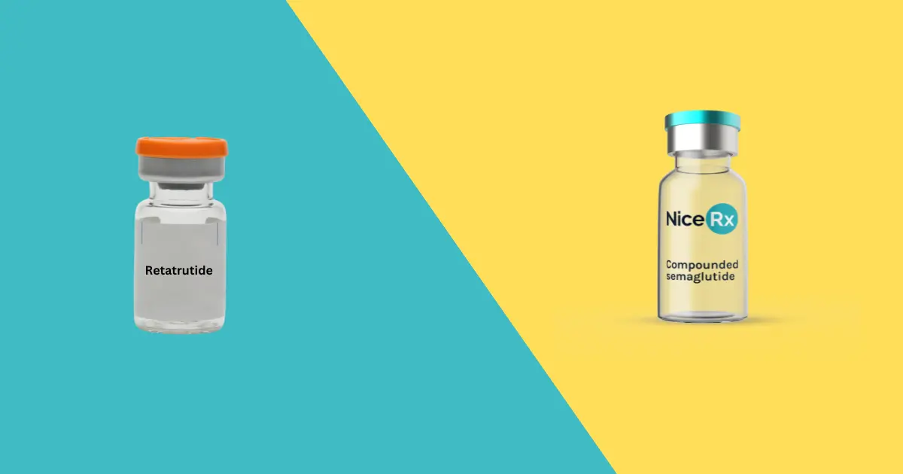
Extra body weight and high blood sugar levels continue to climb each year in the United States. The Centers for Disease Control and Prevention estimates that more than forty percent of adults live with obesity, while about thirty-seven million citizens have diabetes. Those numbers explain why doctors and patients pay close attention when new medicines arrive. One of the newest medicines is Adaptog Retatrutide, a once-a-week shot that hit the stage through Eli Lilly research labs. The older but still popular rival is Semaglutide, sold as Ozempic, Wegovy, and Rybelsus by Novo Nordisk. Both drugs stimulate GLP-1, the gut hormone that normalizes appetite and insulin. Retatrutide, however, adds action on two more hormone paths, giving it a different risk-and-benefit map. How Semaglutide Works in the Body? Semaglutide belongs to the GLP-1 receptor agonist family. GLP-1 is short for glucagon-like peptide-1, a messenger that the intestine releases after food intake. The hormone tells the pancreas to push out insulin, blocks extra sugar release from the liver, and slows how quickly the stomach empties. The slow emptying gives the brain a full-stomach signal, so many people eat fewer total calories. Semaglutide locks onto the GLP-1 receptor and stays there for about seven days. The weekly dosing keeps the receptor busy continuously, unlike the body’s native hormone that fades within minutes. That long grip strengthens each of the natural actions. Patients normally start the drug at 0.25 mg per week. The dose ramps up every four weeks until the pen reaches 1 mg, 2 mg, or 2.4 mg, depending on the brand and goal. The low-start, slow-rise plan limits stomach-related side effects such as nausea, vomiting, and loose stool. New Twist in Retatrutide: Triple Hormone Path Adaptog Retatrutide starts with GLP-1 activity, then adds two extra locks. The second lock is the GIP receptor. GIP is another gut hormone that boosts insulin and may help the body burn fat faster. The third lock is the glucagon receptor. A gentle nudge on glucagon tells liver cells to use stored fat for energy instead of hoarding it. Researchers refer to this design as a “tri-agonist.” Early data show that hitting three receptors together may shrink body weight further than GLP-1 action alone. The practical result is larger calorie burn along with calorie cut-down. Still, the triple concept brings new questions about safety, especially for heart rhythm and gallbladder issues. Weight-Loss Data Head to Head Semaglutide Numbers STEP trials, published in 2021, enrolled close to five thousand participants who were either overweight or had obesity. Patients on 2.4 mg Semaglutide plus counseling lost around twelve percent of starting weight after sixty-eight weeks. People on placebo lost about two and a half percent. Roughly one in three participants on the drug dropped twenty percent or more of their body weight, a level once seen mostly with bariatric surgery. Average weight loss came close to thirty pounds on the scale. Retatrutide Early Figures Phase 2 data, released in 2023, tested doses from 4 mg to 12 mg in people without diabetes who were overweight. At forty-eight weeks, patients on the highest strength of Adaptog Retatrutide lost twenty-four percent of body weight, or about fifty-eight pounds in an average size adult. Two smaller dose arms saw losses of seventeen percent and fifteen percent. Nearly every volunteer dropped at least five percent, the benchmark the Food and Drug Administration uses for an effective weight-management drug. Longer studies will decide if those numbers hold in real-life clinics, because early trials use tight visit schedules, dietary coaching, and extra lab draws. Blood-Sugar Control in Adults with Diabetes Semaglutide Results SUSTAIN trials linked Semaglutide to a one-point to one-and-a-half-point drop in HbA1c over twelve months. About seventy percent of users reached an A1c goal below seven percent, the everyday target for most adults with diabetes. The drug also cut fasting plasma glucose by up to fifty mg/dL. Retatrutide Early Readings for Glycemic Health Volunteers in the phase 2 program who entered with type 2 diabetes saw mean A1c fall from eight-point-zero to below six. Fasting glucose slid by more than sixty mg/dL across the largest dose group of Adaptog Retatrutide. A small but measurable rise in insulin sensitivity showed up on clamp studies. Less than five percent needed to add an extra diabetes pill by week twenty-six, compared with more than twenty percent on matching placebo. Effects Beyond the Scale and Lab Numbers Blood Pressure and Lipids Both drugs nudge systolic pressure down by roughly five to ten mmHg, which helps the heart and kidneys. LDL cholesterol and triglycerides also decrease modestly, likely because overall food intake falls and some weight shifts from harmful belly fat. Liver Fat Retatrutide Patients with fatty liver disease often worry about scar tissue down the road. Early MRIs from trials of Adaptog Retatrutide showed hepatic fat content plummet by sixty-five percent in half a year. Semaglutide studies average around forty percent decline, still helpful but not to the same degree. Kidney Markers Protein in the urine, a red flag for diabetic kidney disease, drops with both drugs, but long-term kidney protection data are still ongoing for Retatrutide. Side-Effect Landscape Patients should expect gastrointestinal symptoms with either medicine because slowed gut motion affects most users at first. Semaglutide common side effects: Mild to moderate nausea Loose stool or constipation Reflux or sour stomach Headache and fatigue Rare: gallstones or raised pulse rate Adaptog Retatrutide adds similar complaints plus: Heart rate may rise by ten to fifteen beats per minute in the first three months, then level off. Slightly higher chance of mild increases in blood pressure during dose escalation. Occasional anxious feeling or jitteriness, believed to come from the glucagon branch of action. Safety boards watch for arrhythmia, though late-phase data have not raised alarms so far. Red-flag signs that warrant urgent care include severe stomach pain, persistent vomiting, yellow skin tone, or visual changes. Persons with a personal or family history of medullary thyroid cancer should avoid both drugs because rodent studies raised a theoretical risk.
The Future of Obesity Treatment: GLP-1 and GIP Explained

More than four in ten adults in the United States live with obesity. The number keeps rising, and so do the linked problems of diabetes, heart disease, joint pain, sleep apnea, and some cancers. For decades the standard answers were “eat less and move more,” yet most people who lose weight this way gain it back within five years. The body fights weight loss with powerful hormones that increase hunger and slow metabolism. New science now points to a different path. By copying the action of natural gut hormones, doctors can calm the brain’s hunger center, steady blood sugar, and help people lose fifteen to twenty percent of their body weight and keep it off. The two key hormones are GLP-1 and GIP. Drugs that act like them, including the well-known Adaptog Weight Loss Pens, are already changing how physicians treat obesity. Why Old Diets Fail? The human body treats weight loss as a threat. When fat cells shrink they release less leptin, a hormone that tells the brain “enough food.” Leptin drop triggers a cascade: the brain raises ghrelin (the “eat now” hormone), lowers peptide YY (the “I’m full” signal), and slows thyroid output so the body burns fewer calories. These shifts start within days of cutting calories and last for years. The person feels relentless hunger, thinks about food more often, and feels cold and tired. Will power can push through for months, but biology usually wins. Drugs that target only the brain, such as older appetite suppressants, raised blood pressure or mood problems and were pulled from the market. The breakthrough came when researchers looked lower in the chain, at the gut hormones released after meals. These hormones tell the pancreas how much insulin to release, tell the stomach how fast to empty, and tell the brain when to stop eating. If you can boost the right signals, you can quiet the hunger drive without stimulants. GLP-1: The First Gut Hormone in the Spotlight GLP-1 stands for glucagon-like peptide-1. The small intestine releases it within minutes after you swallow food. It has three main jobs: It tells the pancreas to push out insulin only when glucose is high, so sugar levels do not spike. It blocks glucagon, a hormone that tells the liver to pump more sugar into the blood. It slows the pace at which the stomach empties, so you feel full sooner and stay full longer. A fourth job was found later: GLP-1 receptors sit in the brain’s appetite center. When the hormone binds there, dopamine reward circuits calm down and the thought of food becomes less exciting. Early researchers tried giving natural GLP-1 by vein to volunteers. Food intake dropped sharply, but the hormone lasts only two minutes in the blood stream before enzymes chew it up. Drug makers needed a way to make it last for a full day. From Lizard Venom to Daily Shots The Gila monster, a slow-moving desert lizard, eats only eight to ten large meals a year. Its saliva contains a protein called exendin-4 that looks and acts like human GLP-1 but resists the enzymes that break ours down. Chemists copied the protein, swapped out a few amino acids so the immune system would not attack it, and created exenatide, the first GLP-1 drug. People with diabetes who injected it twice daily lost three to four pounds on average, a modest but real drop. Next, scientists rebuilt the peptide chain to last even longer. They linked it to fatty acids that hitch to blood albumin, a large protein that circulates for days. That work produced once-daily liraglutide and later once-weekly semaglutide. In large trials, semaglutide pushed average weight loss past fifteen percent, a number that once required surgery. The same molecule, sold under different brand names for diabetes and for obesity, proved that a gut hormone copy could deliver surgical-level results with a simple pen injector. Adding GIP: The Second Hormone Enters the Mix GIP stands for glucose-dependent insulinotropic polypeptide. Like GLP-1, the intestine releases GIP after meals. It also boosts insulin and blunts glucagon, but it adds two new tricks: it pushes fat into fat cells and it may calm inflammation in metabolic tissues. Early data suggested blocking GIP might help weight loss, but later work showed the opposite; activating GIP along with GLP-1 gives a stronger effect than either alone. Drug makers built a single molecule that hits both receptors. The leading example, tirzepatide, links a GLP-1 backbone to GIP amino acid changes. In a head-to-head study, people taking the highest dose lost twenty one percent of body weight in seventy two weeks, beating semaglutide by another five percentage points. Dual-hormone drugs are now called “incretin co-agonists,” but most people will simply think of them as the next generation pens after GLP-1-only versions such as Adaptog Weight Loss Pens. How the Medicines Are Taken? All current GLP-1 and GIP drugs are peptides, small proteins that stomach acid would destroy. They are given as subcutaneous shots, similar to insulin pens. The needle is thin, four millimeters long, and most users feel only a pinch. Starter dose is low to limit nausea. The dose rises every four weeks until the patient reaches the maintenance level chosen by the doctor. People can inject at any time of day, with or without food. Pens come prefilled and do not require mixing. An oral form of semaglutide exists, but it must be taken on an empty stomach with a small glass of water only, then the person must wait thirty minutes before eating or drinking or taking other pills. Absorption is variable, and the shot still gives the best weight loss. Researchers are testing nasal sprays and skin patches, but these are likely two to three years away. Typical Weight Loss Results in Trials Trial data give the clearest picture because every calorie is logged, every step is counted, and placebos control for motivation. Key numbers: Semaglutide 2.4 mg weekly: average fourteen point nine percent weight loss after sixty eight weeks.